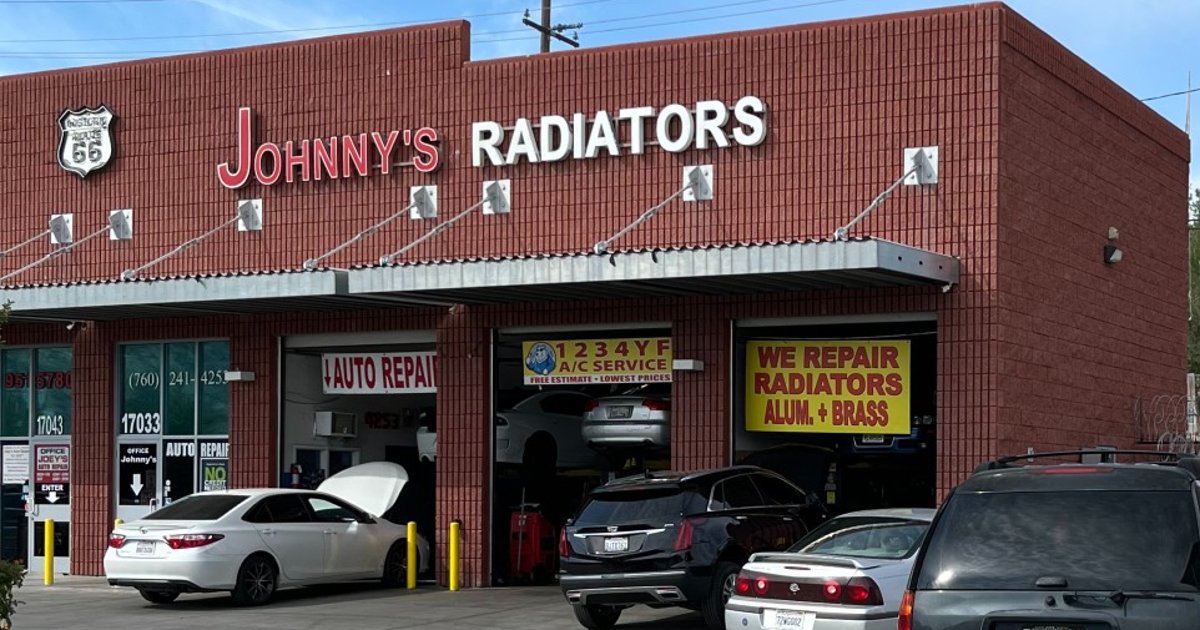
Call the shop you choose with your vehicle’s year, make, model and current mileage. Explain the main concern in your own words: when it started, when you notice it most, and whether the car still drives normally. If someone has already inspected the problem, bring the written findings. That background gives us a clearer starting point without treating a previous guess as a confirmed diagnosis.
Before traveling, discuss the inspection schedule and whether the vehicle may need to stay at the shop. The time needed depends on the fault, the work you approve and the availability of the required parts. If you depend on the vehicle for work or family transport, tell us when you call. Ask about your arrangements for getting home rather than assuming the repair will be finished during a short wait.
Once the vehicle has been inspected, we explain the recommended work and provide a free written estimate. Parts and labor are listed so you can understand what you are approving. Ask which repairs are related to safety, which address the symptom you reported, and which are maintenance recommendations. Clear communication helps you make a decision based on the vehicle’s condition instead of replacing parts without a plan.
Keep the repair invoice and any maintenance records together. They help you track what was done, understand the 1-year repair warranty and plan future service. For a car, truck or SUV that changes drivers within the family, sharing those records also helps everyone know when the next maintenance visit is due. If a symptom returns after a visit, contact the shop that performed the work and describe what changed.
If the problem comes and goes, a few notes can be useful. Record whether it happens at startup, during acceleration, when braking or after the car has been parked. Mention any unusual smell, visible fluid beneath the vehicle or change in fuel consumption. You do not need to identify the failed component yourself. If you have a photo of a warning message, bring it with you, but never take pictures or write notes while driving. When you collect the vehicle, ask the team to review the completed work and any remaining recommendations. Make sure you know which symptoms to watch for and when the next maintenance visit is appropriate for your particular vehicle. Those conversations help you leave with a clear understanding of the repair and a practical plan for ongoing care.
A flashing check engine light, overheating, severe vibration or a brake problem can make a trip unsafe. Do not use the distance chart as a reason to keep driving a vehicle that needs immediate attention. Stop in a safe place and contact the shop to discuss the situation and transport options. The directions links are there to help you reach the location you choose when it is safe to travel.